
You’ve probably heard the saying, “Snooze you lose,” but if your goal is peak performance, it’s more like “snooze you win.”People often sacrifice sleep, but it’s just as important as nutrition and training to unlock your full fitness potential. Without enough quality rest, even the best workout and diet plans can fall short.
The quickest way to stall progress toward your fitness goals or lose your competitive edge as an athlete is to not get enough quality sleep.
In this article, you will learn:
- Exactly how sleep affects muscle growth and impacts your workouts
- How much sleep athletes really need for peak performance
- When napping may help versus when it can interfere
- Expert tips for improving sleep quality
- How amenities at a holistic gym like Carbon Performance can help improve your sleep.
How Does Sleep Affect Muscle Growth?
Sleep directly affects muscle growth by regulating the endocrine system, which influences whether your body is in an anabolic state that supports muscle repair and growth or a catabolic state that promotes muscle breakdown.
Quality sleep creates the environment your body needs to repair damaged muscle tissue, support muscle protein synthesis, and build new lean muscle after training.
Sleep Regulates Muscle-Building Hormones
During deep sleep, your body releases and regulates several hormones that are important for muscle recovery, muscle protein synthesis, tissue repair, and muscle growth.
- Human Growth Hormone (HGH): Up to 70% of your daily HGH secretion occurs during deep sleep. HGH stimulates the release of Insulin-like Growth Factor 1 (IGF-1), a hormone that plays a major role in muscle recovery, muscle protein synthesis, tissue repair, and muscle hypertrophy. Together, HGH and IGF-1 help your body repair damaged muscle tissue and build new lean muscle following intense training.
- Testosterone: Your body also produces the majority of its daily testosterone during sleep, particularly during REM and deep-sleep cycles. Testosterone is a foundational anabolic hormone that plays a critical role in muscle growth. If you consistently do not get enough quality sleep and testosterone levels decline, it can become more difficult to build and maintain muscle.
- Cortisol: When you are sleep-deprived, your stress hormone cortisol can spike. If cortisol remains chronically elevated, it can impair recovery, increase muscle protein breakdown, and make it harder to build or maintain lean muscle mass.
Deep Sleep Resets Your Parasympathetic Nervous System
During deep, slow-wave sleep, your nervous system shifts from a sympathetic “fight or flight” state to a parasympathetic “rest and recover” state. This lowers heart rate, increases blood flow to muscle tissue, and delivers oxygen and nutrients to damaged muscle fibers after intense training. This recovery environment helps your body repair and rebuild muscle tissue more efficiently between workouts, which is essential for recovery and muscle growth.
Deep Sleep Enhances Cellular Repair and Recovery
Deep sleep is when many of the body’s muscle-building recovery processes become more active. During this stage of sleep, your body repairs damaged muscle fibers created during training, reduces exercise-induced inflammation, and helps restore muscle tissue stressed during workouts. Over time, these processes help your muscles recover more efficiently from training and adapt in ways that support muscle growth.
Sleep Directly Impacts Muscle Protein Synthesis
Muscle Protein Synthesis (MPS) is the process your body uses to repair and build new muscle tissue after training. Without enough sleep, your body enters a catabolic state where muscle protein breakdown can outpace repair. Research shows that even short-term sleep deprivation can significantly reduce muscle protein synthesis. If poor sleep continues, it can stall muscle growth and even contribute to muscle loss.
Sleep Affects Muscle Glycogen Replenishment and Insulin Sensitivity
Deep sleep helps restore muscle glycogen, the stored energy your body uses during training. Poor sleep reduces insulin sensitivity, making it harder for muscles to efficiently absorb and store glucose. Over time, this can leave muscles depleted of energy and reduce your ability to train with the intensity needed for muscle growth.
How much sleep is needed for muscle growth?
7-9 hours of sleep is often recommended as the ideal range for recovery and muscle growth. However, sleep needs vary. If sleep is high-quality, some people function well at the lower end of that range, or even lower. Others may need 9 or more hours to fully recover and perform at their best.
How Does Sleep Deprivation Hurt Your Workouts and Athletic Performance?
Even a few nights of poor sleep can slow recovery, make workouts feel harder, reduce training output, impair cognitive function, and lead to low motivation and missed workouts, all of which can hurt your workouts and athletic performance.
Sleep Deprivation Negatively Affects Brain Function
When you don’t get enough quality sleep, brain function declines, impairing focus, information processing, reaction time, coordination, judgment, and decision-making.
For athletes and active individuals, this can negatively affect balance, agility, timing, hand-eye coordination, exercise form, workout intensity, and overall performance. It can also cause mental fatigue and reduced motivation, leading to low-effort workouts or skipped training sessions.
Sleep Deprivation Reduces Endurance and Exercise Capacity
When you don’t get enough sleep, workouts feel harder. Poor sleep increases perceived exertion, reduces pain tolerance, and makes physical stress during exercise more difficult to tolerate. This makes it challenging to maintain workout intensity, recover between sets, and sustain endurance.
Sleep Deprivation Increases Injury Risk
Poor sleep can impair reaction time, coordination, movement quality, focus, and muscle recovery, increasing the likelihood of training mistakes and injury. Fatigue also affects exercise mechanics and neuromuscular control, raising the risk of improper movement patterns during training and competition.
Sleep Deprivation Leads to Low Energy Levels
Without enough quality sleep, your body cannot fully recover from training or restore muscle energy stores, often leading to fatigue, lower workout intensity, slower recovery between sets, and decreased performance. Over time, this makes it harder to train consistently and progress toward your fitness goals.
What is the Ideal Amount of Sleep for Athletes?
While research shows that athletes generally need more sleep than the average person, with 7-9 hours of quality sleep commonly cited as optimal for peak performance, there isn’t an exact number of hours that is ideal for every athlete.
Sleep needs vary based on:
- Training intensity and frequency
- Sport-specific demands
- Age
- Stress levels
- Overall health
- Recovery capacity
- Calorie intake and nutrition
- Travel schedules
It’s also important to consider sleep quality. Nine hours of fragmented, low-quality sleep may be less restorative than six hours of deep, uninterrupted sleep. If you get plenty of sleep but regularly wake up exhausted, struggle to recover between workouts, or notice declining performance, poor sleep quality may be the problem.
8 Tips for Improving Your Sleep Quality
If you struggle to fall asleep, stay asleep, or wake up feeling unrested, small changes to your nighttime routine and recovery habits can make a significant difference.
Here are some sleep and recovery practices used by elite and professional athletes that you can incorporate into your nightly routine to improve sleep quality.
1: Create a Consistent Sleep Schedule
Your body operates on a circadian rhythm, an internal clock that regulates sleep, energy levels, hormone production, recovery, and alertness. An inconsistent sleep schedule can disrupt this rhythm, making it harder to fall asleep, stay asleep, and wake up feeling rested.
Aim to go to bed and wake up at roughly the same time every day, including weekends. If you are trying to fix your sleep schedule, adjust your bedtime and wake time gradually in small increments rather than making dramatic overnight changes.
2: Optimize Your Sleep Environment
A bedroom that is too hot, noisy, bright, or overstimulating can interfere with both REM sleep and deep sleep, which are the stages most associated with mental restoration and physical recovery.
To improve sleep quality, keep your room cool, invest in a supportive mattress and pillows, reduce blue light exposure from screens 1-2 hours before bed, block excess light with blackout curtains or an eye mask, and minimize disruptive noise. Some sleep best in silence, while others benefit from a consistent background noise, such as a fan or a sound machine.
3: Develop a Relaxing Bedtime Routine
Creating a relaxing nightly routine can signal your nervous system to wind down and prepare for sleep, which can be especially helpful if you struggle with stress or racing thoughts before bed.
Reading, taking a warm shower, light stretching, meditation, breathwork, journaling, calming music, and reducing screen time may all help promote relaxation and improve sleep quality.
4: Avoid Stimulants and Heavy Meals Before Bed
Caffeine, nicotine, alcohol, large meals, and certain supplements can interfere with sleep quality when consumed too close to bedtime. Avoid large meals, stimulants, and high-caffeine supplements in the hours before bed if possible.
5: Eat Foods That Support Sleep Quality
While a heavy meal close to bedtime can interfere with digestion and sleep quality, a smaller evening meal or snack with foods rich in magnesium, potassium, tryptophan, or complex carbohydrates may help support the body’s natural sleep processes in some individuals.
Foods commonly associated with better sleep quality include tart cherries, kiwi, oats, bananas, Greek yogurt, fatty fish, pumpkin seeds, and almonds.
6: Be Strategic With Late Night Workouts
Exercise improves sleep quality, but high-intensity late-night workouts close to bedtime can elevate heart rate, adrenaline, cortisol, and body temperature, making it harder to relax and fall asleep. If you have trouble sleeping after late workouts, try earlier sessions or lower-intensity evening workouts.
7: Try Light Stretching, Yoga, or Breathing Exercises Before Bed
Light stretching before bed helps reduce muscle tension, improve relaxation, and support recovery after training. Gentle mobility work, yoga, and controlled breathing also help shift your body into a parasympathetic “rest and recover” state before sleep. Keep movements light, controlled, and relaxing.
8: Consider Evidence-Based Sleep Supplements
Supplements are not a replacement for good sleep hygiene and recovery habits, but several vitamins, minerals, herbs, and adaptogens have been shown to support sleep quality and relaxation in certain individuals. Common ones include magnesium glycinate, magnesium threonate, melatonin, L-theanine, glycine, apigenin, and valerian root.
Everyone’s body responds differently to sleep supplements, so you may need to experiment carefully to find what works best for your body, sleep patterns, and recovery needs. It is also important to talk with a healthcare professional before starting new supplements, especially if you take medications or have underlying health conditions.
Are Naps Good or Bad for Fitness Goals and Athletic Performance?
Whether naps help or hurt depends on timing and duration. A well-timed nap may improve energy, focus, recovery, and workout performance, while naps that are too long or taken late in the day can leave you groggy or interfere with nighttime sleep quality.
The Best Nap Lengths for Recovery and Performance
The ideal nap duration for peak performance depends on your goals, training schedule, and how sleep-deprived you are.
- Short Power Naps (10-20 Minutes): For some athletes and gym-goers, a short 10-20 minute nap may help improve focus, coordination, and perceived energy without causing excessive grogginess or interfering with nighttime sleep.
- Longer Recovery Naps (60-90 Minutes): Longer naps may be more beneficial after intense training, travel, sleep deprivation, or heavy workloads because they allow the body to enter deeper sleep stages associated with muscle repair and recovery. However, longer naps are more likely to cause grogginess and may interfere with nighttime sleep if taken too late.
Regardless of nap length or timing, it’s important to remember that naps are not a replacement for consistently getting enough quality sleep at night.
When Napping Can Hurt Sleep Quality
Poorly timed naps or excessive daytime sleeping can make it harder to fall asleep at night and may disrupt overall sleep quality. For most, naps work best as a supplement to a strong nighttime sleep routine, not a replacement for enough quality sleep.
To reduce the likelihood of naps interfering with nighttime sleep:
- Keep naps earlier in the day.
- Use naps strategically during periods of heavy training, travel, or poor sleep.
- Prioritize consistent, quality nighttime sleep first.
Final Thoughts on Sleep for Peak Performance
Whether you’re an elite athlete or an everyday gym-goer trying to unlock your highest fitness potential, getting enough quality sleep every night is non-negotiable for the physiological processes that drive peak performance.
Many of the most science-backed methods for improving sleep quality, including exercise, stress management, nervous system regulation, and recovery-focused wellness practices, are easier to incorporate consistently when you have access to them under one roof.
That’s why, when considering what amenities matter most in a modern gym, it’s important your membership includes everything you need to train hard, recover effectively, and manage stress.
What is Included in a Carbon Performance Membership That Can Help Improve Sleep?
At Carbon Performance, we operate under a holistic fitness model. Every Carbon Performance location includes access to amenities that support recovery, stress management, nervous system regulation, and habits associated with better sleep quality, including:
- Elite Strength Training and Cardio Equipment: Exercise has been shown to improve sleep quality, support circadian rhythm regulation, reduce stress, increase time spent in deep sleep, and help reduce symptoms of insomnia in some individuals. At Carbon Performance, members have access to hundreds of machines, free weights, cardio machines, functional training areas, group fitness classes, and structured personal training programs.
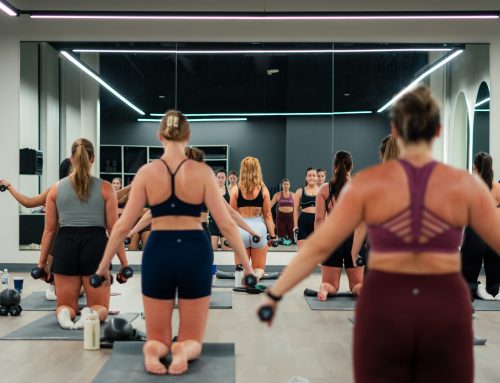
- Yoga Classes: Yoga may help improve sleep quality by lowering stress levels, reducing nervous system activation, promoting relaxation, and shifting the body into a more parasympathetic “rest and recover” state before bed. All Carbon Performance locations offer guided yoga classes designed to support flexibility, mobility, stress reduction, recovery, and overall wellness.
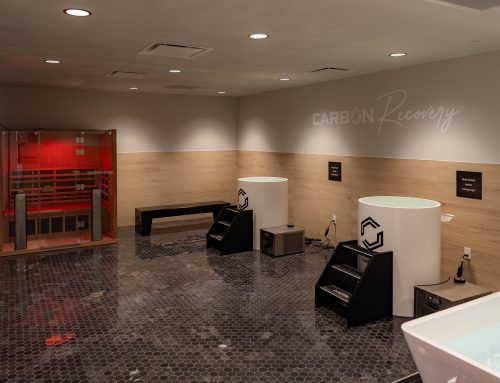
- Cold Therapy: Cold therapy has been shown to support recovery, reduce muscle soreness, regulate the stress response, promote relaxation, and improve nervous system recovery in certain individuals, all of which may improve sleep quality. Carbon Performance recovery lounges feature private cold plunge tubs, which performance and recovery experts often recommend as one of the most effective ways to incorporate cold therapy into a recovery routine.
- Heat Therapy: Heat therapy may help promote better sleep by encouraging relaxation, reducing muscle tension, supporting recovery, lowering stress levels, and helping regulate the body’s natural sleep cycle through post-heat body temperature cooling. Carbon Performance members have access to private infrared saunas, which many wellness and recovery experts consider the most effective form of heat therapy because infrared heat penetrates more deeply than traditional sauna heat.
If you are interested in learning more about becoming a member of Carbon Performance, contact us to schedule a tour at a location near you.
Sources
PubMed – The impact of daytime napping on athletic performance
PubMed – The Importance of Sleep for Health and Athletic Performance