
With the rise of whole body health and holistic fitness, recovery is finally receiving the attention it deserves as a key part of structured training and overall wellness. Training is the stimulus, but rest days are your most productive days, supporting muscle repair, hormone balance, and glycogen replenishment.
In this recovery guide, the personal trainers and nutrition coaching team at Carbon Performance explain:
- The science behind rest days and what happens during muscle recovery
- The risks of overtraining and signs you may not be properly recovered
- How to maximize recovery on rest days with active and complete rest
- The role of sleep and proper nutrition in muscle recovery
- How amenities at gyms like Carbon Performance help support better recovery
The Physiology of Rest: What Happens During Muscle Recovery?
During recovery, the body repairs micro-tears in muscle fibers caused by exercise through a process called muscle protein synthesis. It also replenishes glycogen (energy) stores, reduces inflammation, and balances stress hormones.
Muscle recovery restores the body to homeostasis, the internal balance needed to function, adapt, and perform. The process does not happen overnight. It takes at least 48 to 72 hours for muscles to fully repair.
Muscle Recovery Timeline
Muscle protein synthesis is a natural biological process, but it requires active support. To recover properly, allow enough time between exercise sessions, refuel with proper nutrition and hydration, get quality sleep, and use advanced recovery tools such as cold plunges, compression therapy, and infrared saunas.
The Inflammation Phase (0 to 24 Hours)
The immune system recognizes damaged muscle fibers and sends inflammatory cells to the area, initiating the healing process. This inflammatory response also triggers muscle protein synthesis, meaning repair begins within the first few hours following exercise, even as inflammation is still peaking.
The stress hormone cortisol, naturally elevated during training, remains high during this window. Adequate sleep is the most important way to help cortisol normalize and allow repair to proceed without hormonal interference.
Simultaneously, glycogen stores, which intense exercise significantly depletes, begin pulling glucose from the circulation to replenish them. This is why post-workout nutrition in the hours immediately following training matters.
The Repair Phase (24 to 72 Hours)
While the most rapid protein synthesis occurs immediately after training, studies show it continues for at least 48 hours. Specialized cells known as satellite cells activate and multiply, merging with muscle fibers to repair tears and increase muscle fiber size.
Delayed-onset muscle soreness (DOMS) may peak during this phase as well, a normal sign that the repair process is underway.
Cortisol levels should start to decline, and glycogen replenishment should remain active. How quickly stores are restored depends largely on carbohydrate intake during post-workout and rest days. The better you fuel, the faster replenishment completes, which is the goal.
The Remodeling Phase (Days 3 to 5)
Tissue rebuilding is complete, and muscle fibers are usually fully repaired. Lingering soreness should fade, cortisol levels should be back to baseline, and glycogen stores should be fully replenished.
Most importantly, the muscle fibers that were damaged and repaired are now slightly stronger and more resilient than they were before training. This is the adaptation that the entire recovery process was working toward.
How Important is Recovery in a Training Program?
At Carbon Performance, we design evidence-based protocols to maximize your results, but the truth is, your training is only as good as your ability to recover from it. While pushing your limits on the turf or under the barbell provides the necessary stimulus for physical transformation, recovery is the exact window where your body actually builds that new adaptation. Think of it as a fundamental high-performance equation:
- Training applies strategic stress, induces neurological fatigue, and breaks down muscle tissue.
- Recovery actively repairs that cellular damage, replenishes depleted glycogen stores, and allows your system to bounce back stronger, faster, and more resilient than before.
Without a structured recovery strategy integrated directly into your training block, you can train at maximum intensity yet still hit a frustrating plateau. Ultimately, recovery should not be viewed as a reward for hard work or a passive afterthought. It is a mandatory, active component of your elite training blueprint. The goal is not just to maximize workout stress, but to maximize your body’s adaptation to it.
How Do Hormones Affect Muscle Recovery?
Several hormones important for metabolic health, muscle growth, and strength are regulated by how well and how consistently you recover, primarily cortisol, which is also directly connected to testosterone and growth hormone.
- Cortisol: Training temporarily elevates cortisol, the body’s primary stress hormone. This is a normal and necessary biological response that allows your body to perform and adapt. However, if training load consistently exceeds recovery capacity, cortisol can remain chronically elevated, which can work against muscle growth.
- Testosterone: When cortisol remains elevated from insufficient recovery, the body cannot produce testosterone at normal levels. Testosterone is your primary anabolic hormone. Optimal levels are important to stimulate protein synthesis, which is essential for repairing muscle tissue.
- Growth Hormone: Another anabolic hormone that stimulates muscle repair and tissue regeneration. Chronic overtraining without adequate recovery keeps cortisol elevated, blunting growth hormone release and reducing its anabolic effect.
Signs of Overtraining
It can be difficult to know if you are overtraining because the signs often mimic common fatigue. While none of the signs listed below automatically indicate you aren’t taking enough rest days, if you experience one or more consistently, it could indicate an accumulated recovery deficit rather than normal training fatigue.
- Persistent fatigue that does not improve with sleep or rest days
- Declining strength, endurance, or overall performance
- Elevated resting heart rate and/or low heart rate variability (HRV)
- Muscle soreness that lasts significantly longer than your normal recovery window
- Increased frequency of illness or recurring infections
- Mood changes, including irritability and loss of motivation
- Sleep disturbances despite physical exhaustion
- Ongoing joint pain or minor injuries that don’t fully resolve
- Changes in appetite
- Weight gain or muscle loss
If you have signs of overtraining, especially if they persist, it’s crucial to review your post-workout recovery, rest day structure, sleep, and nutrition.
What Are the Dangers of Overtraining?
Many possible physical and metabolic consequences of overtraining may lead to overtraining syndrome, including:
- Hormone imbalances
- Metabolic dysfunction
- Cardiovascular disruptions
- Systemic fatigue
- Insomnia
- Immune function decline
- Connective tissue and joint stress
- Persistent muscle soreness, tendonitis
- Increased risk of injury
- Mental health issues
- Long-term burnout
How long does it take to recover from overtraining?
Recovery from overtraining can take anywhere from a few days to several months, depending on how long the pattern has persisted and its severity.
For mild overtraining caught early, a few days to one week of reduced load or complete rest is often sufficient. More severe cases unaddressed for weeks or months may require several weeks of structured recovery before performance and hormonal markers normalize.
How to Maximize Recovery on Rest Days
Three primary factors determine the quality of recovery: the type of rest you choose, the sleep you get, and how you fuel between sessions. Managing all three is crucial for complete recovery.
1: Choose the Right Type of Rest Day
Not all rest days look the same. Sometimes you need a complete rest day; other times, active rest may be better. The right choice depends on your current state, training volume, and how your body responds.
Active Recovery vs. Complete Rest
Active Recovery Day
Active recovery involves low-intensity movement without adding meaningful training stress. Examples include walking, yoga for active recovery, mobility work, easy cycling, an easy hike, or low-intensity swimming.
When done correctly, active recovery improves blood flow to repairing tissue and supports the clearing of waste products that contribute to lingering soreness. The critical factor is intensity. If you are breathing hard or feeling challenged, it is not active recovery.
Complete Rest Day
Complete rest means stepping away from structured exercise entirely to allow the nervous, muscular, and endocrine systems to reset. A rest day with no activity may be appropriate when symptoms of overtraining are present, when recovering from illness, after a high-volume training block that has accumulated significant fatigue, or even when experiencing mental burnout.
On these days, prioritize relaxation and recovery, including gentle stretching and mobility work, massage, compression therapy, sauna, and cold plunge.
Is active recovery better than rest days?
For many, light activity such as walking or yoga may be more beneficial than complete rest because it supports circulation and other repair processes without the stagnation that can accompany full rest. The exception is when the body is genuinely depleted or symptomatic. In those cases, complete rest is the correct choice. Often, both are included in a properly structured training program.
How many rest days per week do you need?
Research supports 1-3 rest days per week as the sweet spot for most activity levels. The right number depends on training volume, intensity, and individual recovery rate. It is important to listen to your body. Just keep in mind that muscle soreness is not always the best indicator. A consistent week-over-week decline in output is a better sign that you may need more rest.
2: Get Enough Quality Sleep
Sleep and recovery are directly connected. Sleep is crucial for recovery because it is the primary time when the body performs repair and muscle growth processes initiated by training. Research shows acute sleep deprivation impairs muscle recovery and protein synthesis. Even a single night of bad sleep can directly compromise muscle repair.
How much sleep do you need for muscle growth?
7 to 9 hours of quality sleep per night is the evidence-based amount most active adults need to support the recovery necessary for muscle growth. Individual variation exists within this range, but research shows that six hours of sleep or less typically doesn’t provide enough slow-wave sleep to support meaningful rates of muscle protein synthesis and growth hormone release required for optimal recovery.
It is important to note that getting enough sleep does not automatically mean it is enough for recovery. Sleep quality and a consistent sleep and wake time matter just as much as duration.
3: Nutrition for Optimal Recovery
Undereating is a common recovery mistake. Many people believe that less activity requires less fuel. While total calorie needs are modestly lower on rest days, the difference is smaller than most realize.
What to Eat on Rest Days for Muscle Recovery
Protein
Muscle protein synthesis requires adequate protein intake. Your body needs a steady supply of amino acids to support muscle repair. For most people, protein on rest days should remain consistent with what you typically consume on training days.
If you struggle to eat protein from whole foods, protein shakes on rest days are an effective way to hit your daily protein target. Protein shakes aren’t only for training days. The body’s need for amino acids during recovery does not distinguish between food sources.
Carbohydrates
After intense training, muscles pull glucose from circulation to replenish glycogen stores for 24 to 48 hours. Restricting carbohydrate intake on rest days can delay that process.
While modestly reducing carbs on a rest day may not hurt, it is usually best to keep carbohydrate intake relatively consistent with training days to ensure full glycogen replenishment before your next training session.
Anti-Inflammatory Foods
Intense training generates oxidative stress and inflammation in muscle tissue. Healthy fats and anti-inflammatory foods help the body manage this response, supporting faster repair and reducing the duration of post-training soreness.
Fatty fish rich in omega-3s and turmeric are examples with documented anti-inflammatory properties. Tart cherry juice is another high-antioxidant option. When consumed for several days before intense exercise, it may support muscle recovery by reducing muscle soreness.
If you need some ideas for balanced post-workout meals and snacks that can accelerate recovery, read:
- Refueling After Your Workout: What To Eat and When To Eat It
- Macros 101: How to Calculate Macros for Weight Loss & Muscle Gain
How Carbon Performance Supports Advanced Recovery
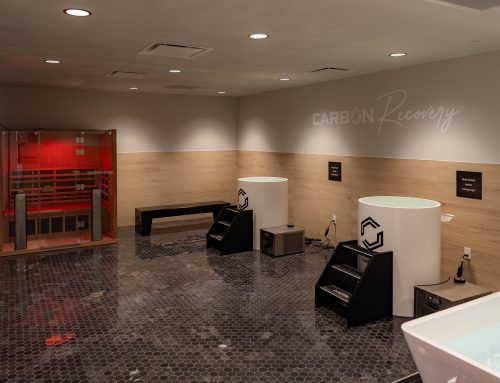
Not all gyms offer advanced recovery services such as cold plunges, compression boots, and infrared saunas. At Carbon Performance, we are more than just a gym. Wellness amenities and on-site nutrition services are part of our integrated fitness ecosystem.
Recovery Lounge + Recovery Tools
Whether you want to enhance muscle recovery after a training session or relax on a rest day, the Recovery Lounges at Carbon Performance are equipped with state-of-the-art equipment to support recovery and whole-body wellness, including:
- Cold Plunge Therapy: Cold water immersion constricts blood vessels and reduces metabolic activity in muscle tissue. Benefits for muscle recovery may include reduced delayed-onset muscle soreness (DOMS), reduced inflammation, and faster recovery of neuromuscular performance between training sessions.
- Infrared Saunas: Studies show that using an infrared sauna after exercise may aid muscle recovery by increasing nutrient-rich blood flow to tissues, resulting in enhanced neuromuscular recovery, reduced inflammation, and delayed-onset muscle soreness (DOMS).
- Normatec Compression Systems: Compression therapy, especially immediately following exercise, improves blood flow, helping reduce swelling and muscle soreness, and potentially lowering markers of muscle damage, such as creatine kinase (CK) and inflammatory markers.
- Theraguns and Mobility Tools: Percussive therapy devices like Theraguns use rapid, targeted pulses to increase blood flow, reduce muscle stiffness, and break up tension in overworked tissue. Mobility tools like foam rollers and resistance bands support flexibility, range of motion, and faster relief from post-training soreness.
** Options may vary by location and membership tier.
On-Site Nutrition and Nutrition Coaching
All Carbon Performance locations offer services and amenities that support nutrition for muscle recovery, including:
- Certified Personal Training and Nutrition Coaching: For members who want to fully optimize recovery, our personal trainers build custom training and nutrition plans with structured programming that balances intense workouts with recovery to prevent overtraining. They strategically schedule rest days, monitor physical indicators of fatigue, and adjust plans in response to life stressors.
- Carbon Fuel: Our on-site shake and meal bar is an easy way to fuel post-workout recovery. You can grab a high-quality protein smoothie or a more substantial steak or chicken bowl that provides balanced macronutrients for optimal post-training and rest-day nutrition.
- Supplement Retail Store: Supplements like creatine, protein powder, and electrolytes can help promote faster recovery. Our retail store is stocked with top-tier muscle recovery supplements from trusted sports nutrition brands like Raw Nutrition and the Chris Bumstead Series.
Rest Day and Muscle Recovery Frequently Asked Questions
Does soreness mean muscle growth?
Not necessarily. You can build muscle without being sore, and you can be sore without meaningful muscle growth. DOMS (delayed-onset muscle soreness) is a sign of tissue stress and inflammation following unfamiliar or high-intensity training and is common during adaptation to new movements or increased training volume. However, soreness alone is not a reliable indicator of muscle growth.
Should I do cardio on rest days?
Cardio on rest days can function as active recovery if intensity stays low. Anything that elevates heart rate into a moderate or high zone is additional training load, not recovery. Walking, easy cycling, and light swimming are examples of cardio that can be performed at low intensity on rest days.
Is 2 rest days a week too much?
For most training levels, two rest days per week falls within the expert-suggested range of 1 to 3 rest days per week to support muscle recovery. However, the number of rest days you should take each week depends on training volume and intensity, as well as on signs of overtraining.
Do hot tubs help with muscle soreness?
Hot tubs may help reduce immediate muscle soreness through the combination of heat and massage jets. However, infrared saunas offer deeper, more penetrating heat that can provide longer-lasting relief for chronic muscle tension and soreness.
How do gyms optimize recovery for high-performing athletes?
Gyms that operate as holistic fitness ecosystems, like Carbon Performance, offer numerous amenities that support recovery for athletes, including cold plunge pools, compression boots, and infrared saunas. Nutrition coaching and personal training programs are also available that strategically incorporate proper nutrition protocols and structured rest days for optimal muscle recovery.
How much recovery time do I actually need between training sessions?
Recovery timelines are highly individualized and depend on your training volume, age, nutrition, and lifestyle stress. As a general benchmark, a beginner or someone introducing a new training stimulus may require 48 to 72 hours of rest before hammering the same muscle group again. Advanced lifters may recover from individual sessions more quickly, but will require strategically programmed deload weeks every four to eight weeks to clear accumulated neurological strain.
Can active recovery replace a complete rest day?
Active recovery is incredibly beneficial for increasing localized blood flow, which delivers vital oxygen and nutrients to healing tissues. Low-impact activities like mobility work, yoga, or a light walk are perfect choices for active days. However, if you are experiencing deep, systemic fatigue, joint soreness, or mental burnout, a completely passive rest day is necessary to allow your central nervous system to reset entirely.
Final Thoughts
The work you put into training is only as effective as the recovery you build around it. To see optimal results, it is vital to prioritize muscle recovery. If you neglect rest days, you not only leave results on the table but also risk plateaus, muscle loss, weight gain, or an injury that sidelines you from training.
Just as there are good, better, and best training strategies, the same holds for rest days. Days off from training offer maximum recovery benefits when planned with the right type of rest, proper sleep, and a diet that supports muscle recovery.
If you are unsure whether your training program provides enough structured recovery, or would like a custom training program with proper post-workout rest-day protocols tailored to your goals and schedule, connect with a Carbon Performance personal trainer or team member to learn more about a Carbon membership and/or a personalized training program.