A high-end gym membership is a bigger commitment than a $20-a-month gym, so it’s worth taking a closer look before you sign up. Most gyms can look impressive during a walkthrough, with polished floors, a busy front desk, and fresh towels. But those details don’t tell you much about how well the gym is maintained or whether the equipment and training staff will meet your expectations over time. Choosing the right premium gym comes down to a few practical factors you can actually evaluate.
Here’s what to look at before you commit, from the equipment on the floor to the fine print in your membership agreement.
1 – Equipment Quality
Equipment is one of the easiest things to evaluate during a gym visit and can give you a good sense of how seriously the facility takes maintenance.
Don’t just look at whether everything appears clean and new. Check whether the equipment is actually in good working condition. Are cables frayed? Is the upholstery cracked or peeling? Are multiple machines marked “out of order”?
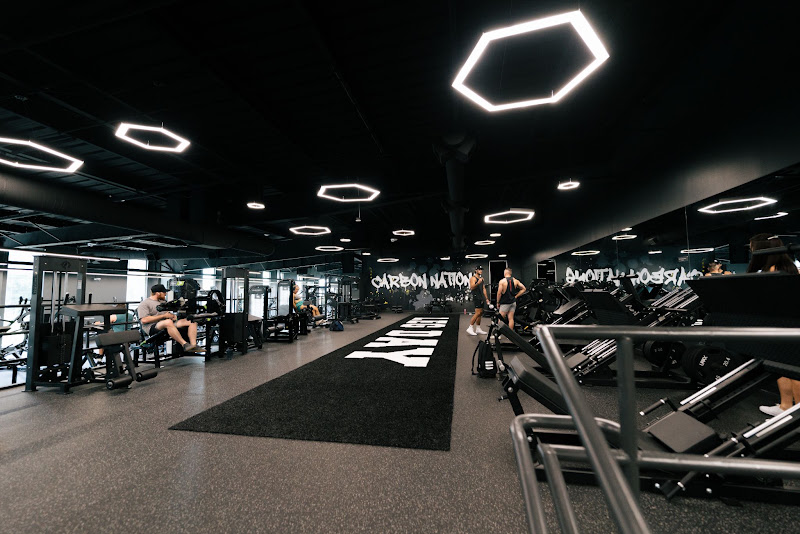
It’s also worth asking what brands the gym uses and how often it maintains, repairs, replaces, or refurbishes equipment. Quality equipment can make a noticeable difference in how comfortable and effective your workouts feel, particularly if you train regularly.
Finally, consider how much equipment is available relative to the number of members. A gym can have an impressive selection of machines, but if you’re constantly waiting for them during your normal workout time, that equipment isn’t doing you much good.
2 – Personal Trainer Expertise
Anyone can put on a branded polo and call themselves a coach. What sets a high-end facility apart is the quality and experience of its trainers. Look for trainers with recognized certifications and additional qualifications that align with your goals.
Ask which organizations certify the trainers, such as NASM, NSCA, or ACE, and whether they have specialized training in areas like corrective exercise, strength and conditioning, or sports performance.
A good personal trainer should also be able to explain how they would approach your specific goals rather than relying on a generic workout plan. Before committing, ask to meet with a trainer or schedule a consultation. A trainer who takes time to assess your movement, discuss your goals and training history, and understand your schedule is more likely to provide a personalized experience.
3 – Facility Amenities
Amenities are often one of the biggest selling points of a high-end gym, but it’s easy to focus on what looks impressive instead of what you’ll actually use. Consider the amenities in the context of your normal routine.
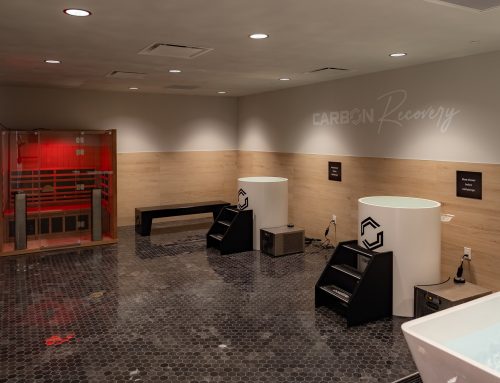
If a gym offers recovery amenities such as saunas, cold plunges, or compression therapy, find out how access works and whether you’ll have to wait during busy hours.
The locker rooms are also worth a closer look. Check whether they’re clean, well-maintained, and stocked with the essentials you’d expect. The condition of these shared spaces can give you a good sense of how well the facility is maintained overall.
Hours of operation matter just as much as the equipment and amenities. A gym can have excellent equipment and impressive amenities, but if it closes before you can realistically work out, it may not be the right fit. Look for a gym that works with your schedule, not just one that looks good on a tour.
4 – Member Community
This is harder to evaluate during a single visit, but it can make a big difference in whether you actually stick with a gym. The people around you can influence how comfortable you feel and how motivated you are to keep showing up.
During a tour or trial period, pay attention to a few things: Do members interact with each other, or does everyone keep to themselves? Are group classes filled with regulars who seem to know each other, or do they feel more like a revolving door of new faces? Does the staff recognize members by name, or are you just another badge being scanned at the door?
You can only really get a feel for these things by spending time at the gym. Visit during the hours you’d normally work out so you can see what the environment is actually like. If the gym offers group fitness classes, taking one is another easy way to get a sense of the community before you commit.
5 – Pricing Transparency
Membership cost is easy to underestimate because the monthly rate advertised on a website rarely tells the full story. Premium gym memberships typically run $150 to $300-plus per month, but the real cost depends on what’s included, what’s charged separately, and your agreement terms. Before signing anything, get clear, written answers to a few key questions:
- Are there initiation or enrollment fees? These may be negotiable, especially during promotions.
- What is the contract length and cancellation policy? A month-to-month membership gives you much more flexibility than an annual commitment.
- What’s included in the membership, and what costs extra? Personal training, classes, and recovery amenities may cost extra.
- Is your membership rate locked in? Some gyms increase dues annually, so ask whether your rate is protected.
- Can you freeze or pause your membership? This can help if you travel frequently or need an extended break.
A gym should be able to explain these terms clearly before you sign. If you get vague answers or feel pressured to commit before you understand the agreement, take it seriously.
6 – Location and Convenience
The best gym on paper won’t matter much if getting there is a hassle. Location and convenience can have a bigger impact on how often you actually use your membership than you might expect. Think about your real routine, not just the distance on a map. A gym that’s eight minutes from your office may be more convenient than one that’s eight minutes from home if you typically work out before or after work.
Parking is another practical consideration, especially if the gym shares a building or area with nearby offices or residential spaces during peak hours. And if you travel often or regularly spend time in different areas, check whether your membership includes access to other locations. For example, Carbon Performance memberships include access to all Carbon locations, which can be a valuable perk if you want flexibility.
7 – Specialized Fitness Classes
High-end gyms often stand out through their specialized fitness classes, not just their equipment. Evaluate these separately from general group classes because they typically require dedicated equipment, specific coaching expertise, and a more structured approach.
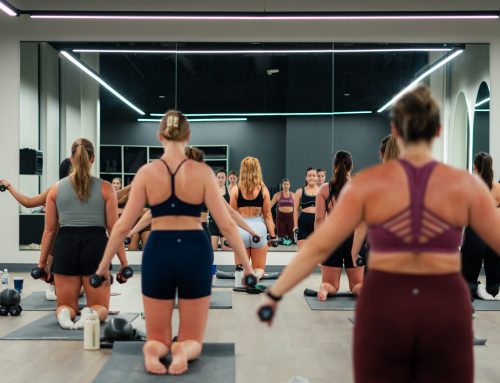
Look for programs built around a particular training method or discipline, such as HYROX-style functional fitness, reformer Pilates, or structured strength training. Then check whether those programs are included with your membership or cost extra. If a particular program is a major reason you’re considering a gym, take a class before signing up. The quality of the coaching and how the class is run can tell you much more than simply seeing it listed on the schedule.
Why Consider Carbon Performance?
If you’re looking for a premium gym with quality equipment, personal training, group fitness classes, and high-end amenities, Carbon Performance is worth checking out. With multiple locations, you can find a club that fits your home and work schedule.
Come by, take a look around, and see what Carbon Performance is all about. Book a tour at one of our locations and see if we’re the right fit for you.
FAQ
What questions should I ask on a gym tour?
Ask about equipment maintenance, trainer qualifications, membership and cancellation terms, which amenities are included, and how crowded the gym gets during peak hours. Pay attention to how clearly and directly the staff answers your questions.
Is it worth touring a gym more than once?
Yes. A tour during a quiet time won’t necessarily give you an accurate picture of the gym. If possible, visit during the hours you would normally work out so you can see how busy it is and get a better feel for the overall environment.
Do high-end gyms require long-term contracts?
Not always. Some offer month-to-month memberships, while others require an annual commitment. Before signing, make sure you understand the contract length, cancellation policy, and any options to freeze or pause your membership.
Should I try the equipment before joining a gym?
Yes. If the gym offers a day pass or trial workout, take advantage of it before joining. Trying the equipment yourself can help you determine whether it feels comfortable and works well for your training style. It can also give you a better sense of the gym’s layout, how easy the equipment is to access, and the overall workout experience.
What should I look for in a gym’s strength-training area?
Consider whether the gym has enough racks, benches, free weights, and cable stations for the number of members it serves. The layout matters too. A well-designed strength area should give you enough space to move safely without constantly working around other members.
What’s the difference between a mid-tier gym and a high-end gym?
The biggest differences are usually the quality and variety of equipment, maintenance, trainer qualifications, amenities, hours, and specialized fitness classes. A higher membership price doesn’t automatically mean a better gym, so consider which features actually matter to you.
Choosing a gym is easier when you know what to look for before you commit. If you want to see how these factors come together in person, book a tour at a Carbon Performance location near you.