Hydration influences all aspects of athletic performance. For active individuals, water alone is usually not an ideal hydration strategy. Electrolytes must also be replaced while avoiding excess fluid intake.
This guide from Carbon Performance covers the effects of dehydration on performance, how to determine your fluid needs, the importance of electrolytes, when to use sports drinks, and strategies for better hydration. It also addresses common questions, such as drinking too much water, rapid hydration, and the best drinks for muscle cramps.
How Does Dehydration Affect Athletic Performance?
Dehydration can significantly compromise the cardiovascular, thermoregulatory, and neuromuscular systems that influence endurance, strength, cognition, metabolism, and muscle function, all of which are crucial to athletic performance.
Progressive fluid loss without adequate water and electrolyte replacement can cause a cascade of physiological and mental limitations including:
Cardiovascular Strain
Dehydration reduces blood volume, forcing the heart to beat faster to deliver oxygen to muscles and maintain cardiac output. This often causes an elevated heart rate and increased perceived exertion, leading to early fatigue.
Elevated Body Temperature
The body regulates its internal temperature through thermoregulation, which depends on sweating and skin blood flow to dissipate heat. When dehydration occurs, both functions are compromised, causing heat accumulation and an elevated core body temperature that increases vulnerability to heat-related illnesses.
Accelerated Glycogen Depletion
Dehydration and increased body temperature may increase carbohydrate oxidation, making the body rely more on stored muscle glycogen for energy. This can cause early fatigue, reduced stamina, difficulty maintaining intensity, and slower recovery.
Muscle Cramping
Fluid and electrolyte imbalances can contribute to muscle fatigue and altered nerve signals, which may trigger painful cramps that disrupt movement and reduce performance.
Cognitive Decline
Fluid loss can compromise executive function, attention, and motor coordination. These cognitive and physical processes are essential for sustaining focus, responding rapidly, and performing movements with accuracy.
Reduced Endurance, Strength, and Power
Losing about 2% or more of body mass through dehydration reduces aerobic capacity and endurance, making it harder to maintain speed, intensity, or training volume. Fluid loss can also reduce muscle strength and power. These effects are less consistent across sports science studies and depend on activity, environment, duration, and degree of fluid loss.
Slower Recovery
Water is a major component of muscle tissue that supports circulation, nutrient delivery, glycogen restoration, and recovery processes. Dehydration can worsen muscle soreness after exercise, potentially extending recovery time.
Increased Risk of Injury
Dehydration can cause muscle fatigue, reduced strength and coordination, poor form, and slower reactions that increase the risk of pulls, strains, falls, collisions, and other injuries. Fluid loss may also affect hydration and mechanical properties of cartilage, tendons, ligaments, and other connective tissues, causing stiffness or reduced resilience that increase injury risk.
How Much Water Should an Active Person Drink?
The National Academy of Medicine recommends about 3.7 liters (125 ounces) of total water daily for adult men and 2.7 liters (91 ounces) for adult women as an adequate intake. These totals include water from all sources, including all beverages and moisture from food.
However, these recommendations are not one-size-fits-all. Daily hydration needs vary based on several factors, including:
- Body size
- Life stages
- Physical exertion
- Climate
- Diet
- Medical status/conditions
- Individual sweat rate
Rather than relying on a general ounces-per-day guideline, the National Athletic Trainers’ Association advises active individuals to track sweat loss to maintain proper hydration without excess.
How To Estimate Your Sweat Rate
To find your sweat rate per hour, use this equation: Sweat Rate (oz/hr) = [((Pre-Weight – Post-Weight) x 16) + Fluid Drank in Ounces] ÷ (Workout Minutes ÷ 60)
The steps:
- Weigh in: Before activity, use the restroom and weigh yourself with no clothing.
- Track: Start activity, track your total workout minutes, and record exactly how many ounces of fluid you drank.
- Weigh out: Towel off to remove excess sweat, then weigh yourself again without clothing.
- Calculate: Subtract post-weight from pre-weight and multiply by 16 to get weight loss in ounces. Add the fluid ounces you drank during the session. Then divide this total by workout minutes divided by 60.
** Unless your training conditions are identical, you will need to repeat this process under each set of conditions.
Example:
If you trained for 75 minutes, drank 16 ounces of water during training, and weighed 180 pounds before and 178.5 pounds after, you would type it into your calculator like this:
- 180 – 178.5 = 1.5 (pounds lost)
- 1.5 x 16 = 24 (ounces of body weight lost)
- 24 + 16 = 40 (total ounces of fluid lost during the session)
- 75 ÷ 60 = 1.25 (workout hours)
- 40 ÷ 1.25 = 32 (ounces of sweat lost per hour)
To replenish, general recommendations are to drink 125% to 150% of your fluid deficit gradually over 2 to 4 hours. In this example, that means 40 to 48 ounces of fluid.
If you finish a session heavier than you started, you likely consumed more fluid than you lost and may need to reduce intake during your next similar workout to prevent overhydration.
What Role Do Electrolytes Play in Hydration?
Electrolytes such as sodium, chloride, potassium, magnesium, and calcium are minerals that act as the body’s internal fluid managers, utilizing electrical charges to move water into cells and maintain optimal fluid balance. While water supplies fluid, electrolytes ensure it is absorbed and retained.
Sodium is the primary electrolyte lost through sweat and plays the largest role in helping the body retain fluid during prolonged exercise, but each mineral has a role in hydration.
- Sodium: Regulates fluid balance outside cells and maintains blood pressure.
- Potassium: Controls fluid balance inside cells to prevent cellular dehydration.
- Chloride: Partners with sodium to manage extracellular fluid volume and pH.
- Magnesium: Powers the cellular pumps that transport water and relaxes muscles.
Electrolytes can be replaced in several ways. Adding salt to water helps restore sodium lost through sweat but does not supply other essential electrolytes. A quality sports drink or electrolyte powder provides a convenient and balanced option.
When Should Athletes Choose a Sports Drink Over Water?
Choosing a sports drink with electrolytes over water depends on workout duration, intensity, and conditions. The table below provides general guidance. Individual factors, such as sweat rate, should also be considered. The hour threshold is a guideline, not a strict rule.
| Training situation | Water vs Electrolytes | Why |
|---|---|---|
| Low- to moderate-intensity activity under 60 minutes in a climate-controlled environment | Water | Fluid and electrolyte losses are typically manageable through water and regular meals, unless you have a high sweat rate. |
| High-intensity activity lasting 60 minutes or longer | Water and electrolytes | Longer, harder sessions generally produce greater fluid and sodium losses, making electrolyte replacement more useful. |
| Any activity lasting 90 minutes or longer | Water and electrolytes | Extended activity gives fluid and electrolyte losses more time to accumulate, even if overall intensity is not high. |
| Heavy sweating or training in hot or humid conditions | Water and electrolytes | Heat, humidity, and a high sweat rate can increase fluid and sodium losses, often making electrolytes useful even during shorter sessions. |
| Multiple training sessions in the same day | Water and electrolytes | Training more than once per day warrants replacing fluids and electrolytes to fully restore hydration between sessions, especially when recovery time is limited. |
PRO TIP: Along with water and electrolytes, athletes may also need fast-acting carbohydrates after training to begin replenishing depleted muscle glycogen, especially if they won’t be eating a balanced meal soon.
Many sports drinks contain carbohydrates, but depending on the formula, they may not provide the right type or amount of rapidly digestible carbohydrates best suited for post-workout glycogen replenishment.
Glucose, dextrose, sucrose, and maltodextrin can all support glycogen replenishment. If your sports drink contains carbohydrates, check the ingredient list and nutrition label to determine whether it provides an appropriate carbohydrate source and dose for your recovery needs.
For more detail on proper post-workout fueling, read Refueling After Your Workout: What to Eat and When to Eat It.
Tips For Staying Hydrated Throughout the Day
Start Your Day With Water
During sleep, your body goes hours without fluids and loses water through breathing and urination. Upon waking, drink 12 to 16 ounces of water to rehydrate and get a head start on your daily hydration needs.
Keep Water Visible and Accessible
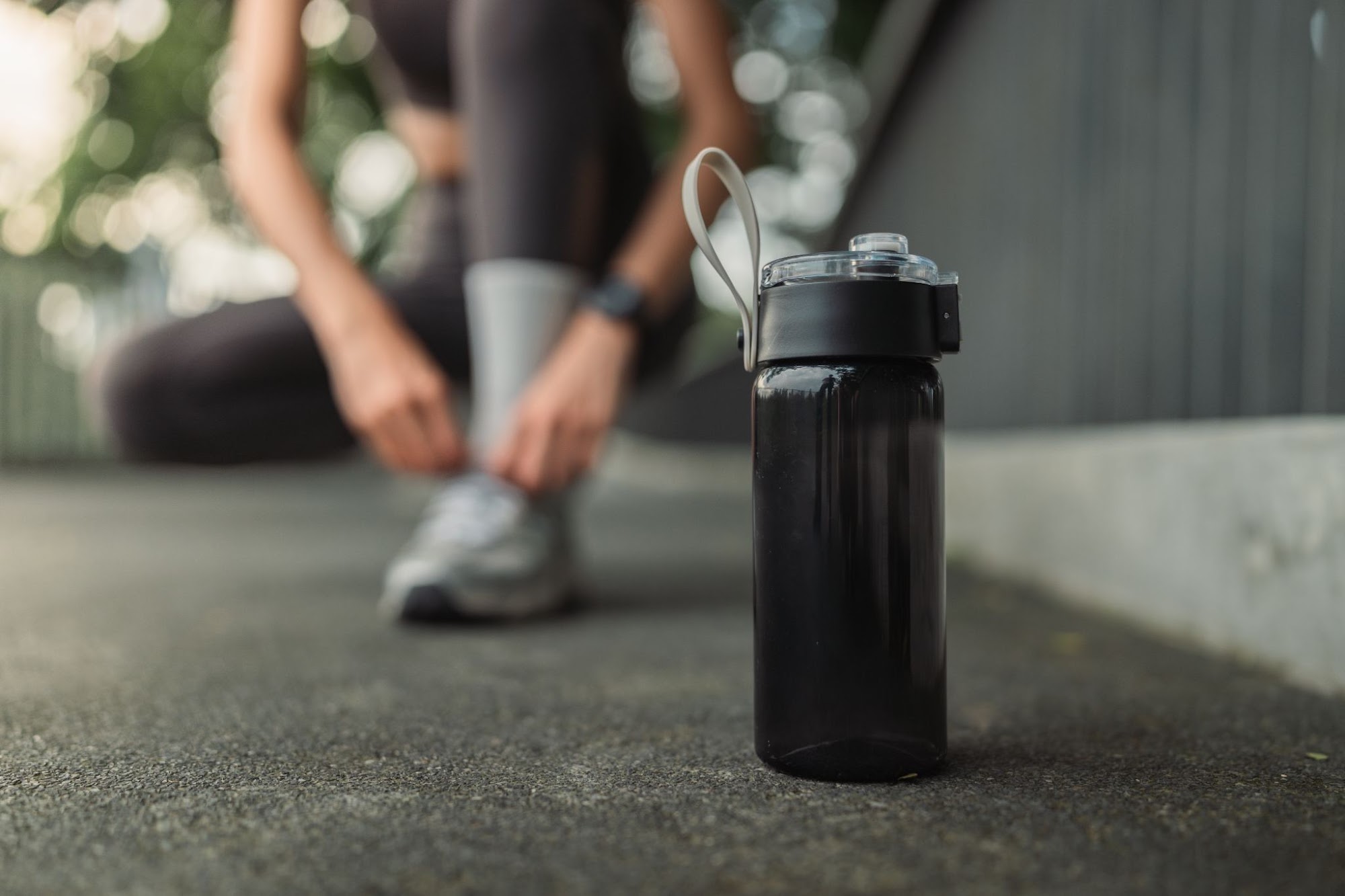
If your water bottle is out of sight, it is easy to forget to drink. Keep a large, easily refillable bottle within reach to encourage regular hydration before you feel thirsty.
Make it Taste Good
Add fresh lemon, lime, mint, or a sugar-free flavoring if plain water feels boring. You can also drink herbal tea or sparkling water to change things up.
Hydrate Gradually
Drinking too much fluid quickly can overwhelm your body’s ability to process it and dilute blood sodium levels. Instead, distribute your fluid intake evenly throughout the day.
Use a Hydration App or Alarm
A hydration-tracking app or recurring phone alarm can help if you often forget to drink water. Set reminders at regular intervals to assess your thirst and stay on track with hydration goals.
Try the “10 Gulp Rule”
The “10-gulp rule” involves taking 10 small gulps of water each time you drink. This technique helps establish a habit and makes it easier to meet your daily hydration goal.
Use Meals as Hydration Checkpoints
Drink water or another hydrating beverage with all meals and snacks. This creates several predictable opportunities to consume fluid without constantly tracking every ounce.
Eat Water-Rich Foods
Including water-rich foods such as watermelon, strawberries, oranges, cucumbers, lettuce, celery, tomatoes, and zucchini, along with soups and smoothies, can help contribute to daily fluid intake.
Pay Attention to Urine Patterns
Urine color is a useful indicator of hydration. Pale yellow typically means you are hydrated, while dark urine may signal a need for more fluids. Because foods, supplements, and medications can affect urine color, use this measure along with other signs such as thirst, fatigue, and urination frequency.
Hydration Frequently Asked Questions
What are the signs of dehydration?
No single symptom can confirm dehydration, but several common warning signs could indicate that you are falling behind on hydration, including:
- Extreme thirst or dry mouth
- Darker urine
- Less frequent urination
- Dizziness, lightheadedness, or headache
- Skin that remains raised when gently pinched
- A higher-than-normal heart rate
- Early fatigue or a sudden increase in perceived effort
- Difficulty concentrating or maintaining proper technique
Seek immediate medical care if you experience persistent vomiting, severe confusion, loss of consciousness, a rapid heart or breathing rate that does not return toward normal with rest, or have little to no urination. These may be signs of severe dehydration, which can become life-threatening.
How much water is too much in a day?
There isn’t a set amount of water that is excessive for everyone because fluid needs vary. Water can become too much when you drink faster than your body can excrete it or lose it. Estimating your sweat rate is the most accurate method to balance intake. But as a general rule, listening to your thirst cues and aiming for pale yellow urine is a predictable way to know if you are safely hydrated.
How can you increase hydration in the body quickly?
Drinking too much too fast can overwhelm your system. Instead, drink a moderate amount of water with electrolytes, particularly sodium, about every 15 minutes. It’s also best to avoid alcohol, caffeine, and highly concentrated drinks, such as soda and juice, until you are fully rehydrated.
The exception is if you need to hydrate quickly due to severe dehydration. In that case, seek immediate medical attention. IV hydration may be necessary to deliver fluids and electrolytes directly into the bloodstream.
What is the best drink for muscle cramps?
Many athletes swear by pickle juice for immediate cramp relief. Studies back up why it may be so effective. In addition to being high in sodium, research suggests its strong sour taste activates receptors in the mouth and throat that trigger a neurological reflex that tells muscles to relax before its sodium can even be absorbed into the bloodstream.
To prevent cramps over time, salt water, an electrolyte drink with sodium, coconut water, or milk can minimize cramping associated with heavy sweating and substantial fluid or electrolyte losses.
Personal Training, Nutrition Coaching, and Hydration Strategy for Athletes at Carbon Performance
Hydration needs vary for each individual, particularly athletes. Water and electrolytes should be strategically integrated into training, nutrition, and recovery plans, considering training duration, intensity, environment, sweat rate, and personal recovery factors.
All Carbon Performance locations have certified trainers who can build structured fitness programs and provide guidance on workout fueling and hydration. Members also have access to advanced recovery amenities for comprehensive sport preparation and recovery.
If you are an athlete or active individual interested in personalized coaching, schedule a consultation to learn more.
Medical Disclaimer: This article is for educational and informational purposes only and is not intended as medical advice. Hydration and electrolyte needs can be affected by health conditions, medications, diet, and environmental factors. Consult a qualified healthcare professional or sports dietitian before making significant changes to your fluid or sodium intake, particularly if you have kidney, heart, or blood pressure concerns.
Sources The National Academy of Medicine Dietary Reference Intakes for Electrolytes And Water NATA – Fluid replacement for the physically active ACSM Exercise and Fluid Replacement PubMed: Dehydration: physiology, assessment, and performance effects PubMed: Sweating Rate and Sweat Sodium Concentration in Athletes: A Review of Methodology and Intra/Interindividual Variability PubMed: Dehydration Impairs Cognitive Performance: A Meta-analysis PubMed: Effects of hydration status on cognitive performance and mood PubMed: The state of tissue hydration determines the strain-rate-sensitive stiffness of human patellar tendon PubMed: Dehydration and symptoms of delayed-onset muscle soreness in normothermic men PubMed: Does acute dehydration affect the neuromuscular function in healthy adults?-a systematic review PubMed: Osmotically driven tensile stress in collagen-based mineralized tissues PubMed: The Effect of Heat Stress and Dehydration on Carbohydrate Use During Endurance Exercise: A Systematic Review and Meta-Analysis PubMed: Reflex inhibition of electrically induced muscle cramps in hypohydrated humans